
Latest UMVIM News
Mission Journey with Bahamas Methodist Habitat
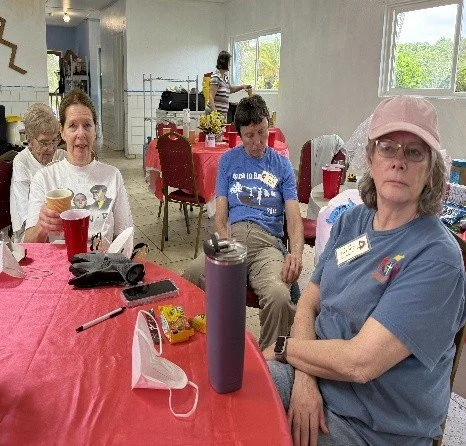
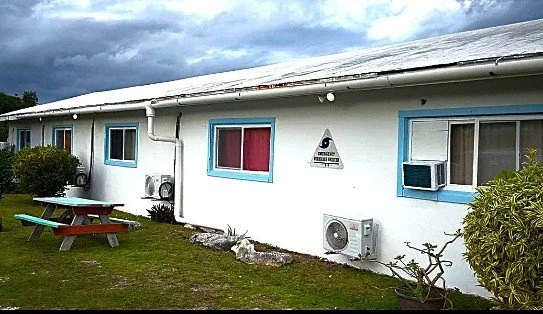
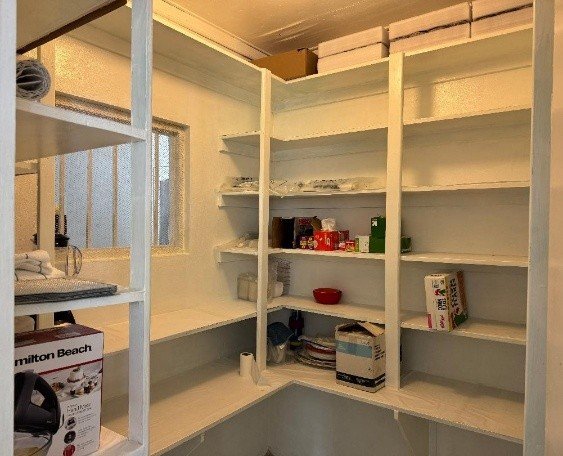
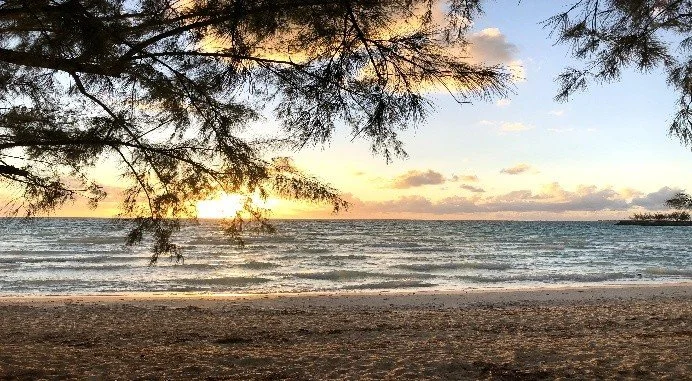
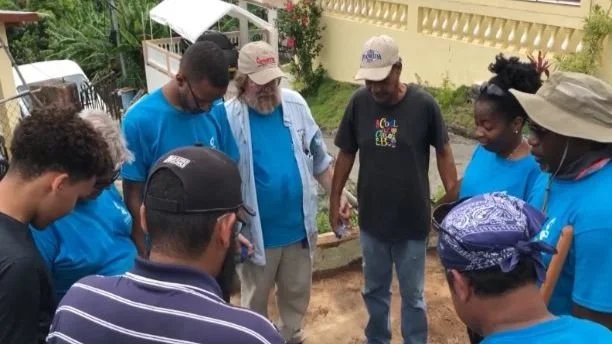
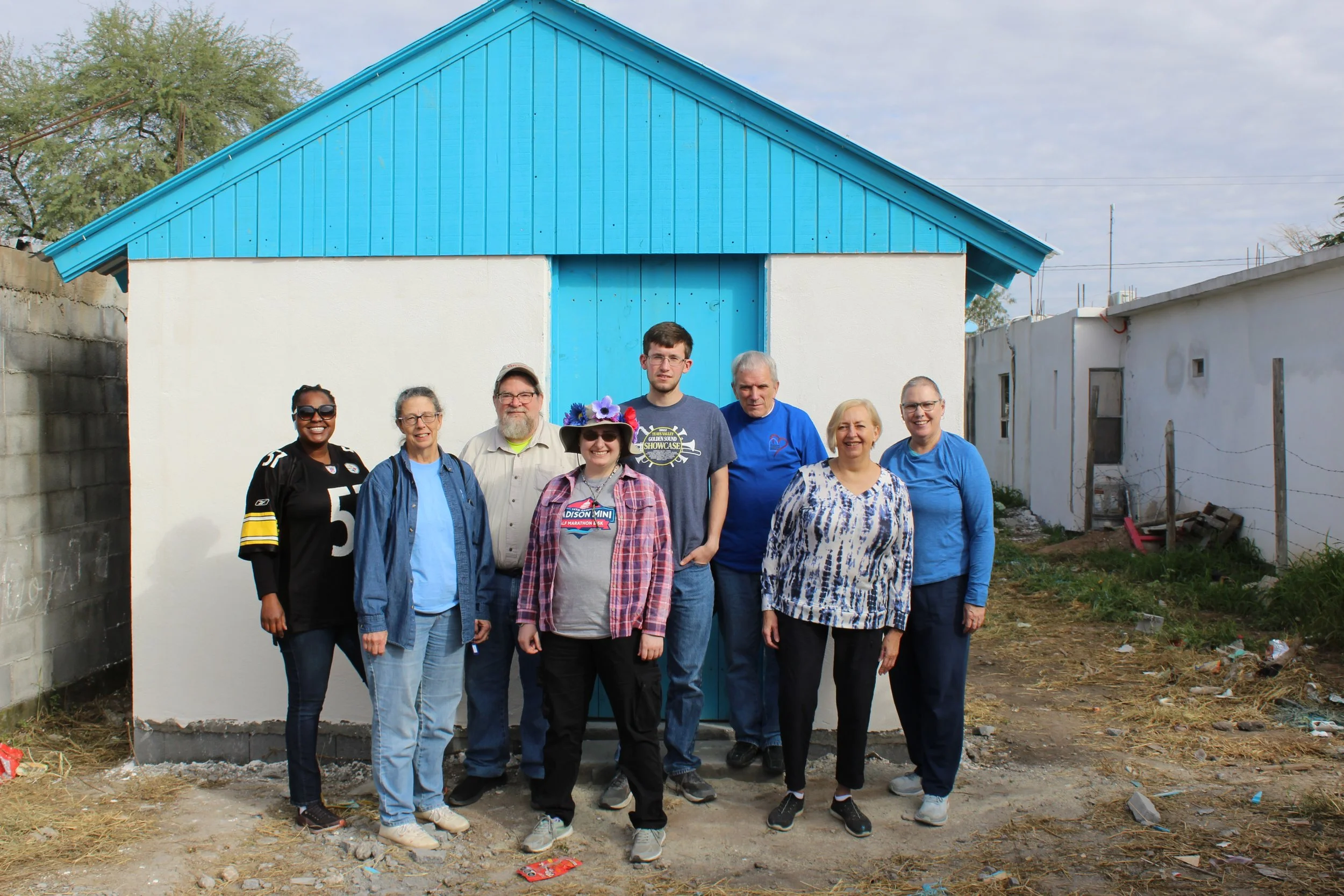
On January 18th, 2026, our mission team gathered from 7 congregations headed for a mission camp in James Cistern, Eleuthera, Bahamas. James Cistern is approximately equidistant from the north to the south and is a Bahama island which is 112 miles long and 2 miles wide at its greatest width. The Camp Symonette is supported by six Methodist churches throughout Eleuthera and serves as the “Hurricane Emergency Shelter”. The time of Covid and a pastor passing have left the camp in neglect. Our team had been asked to help revitalize a once very functional camp for mission teams, youth training and educational retreats. The camp is located with the Caribbean Sea on the west and the Atlantic Ocean on the east. There is a land breach with a bridge that allows the two bodies of water to meet. Both bodies of water are very easy to enjoy from the campsite. We were able to snorkel, hike, and swim in the beautiful turquoise waters during down time.
Our UMVIM team landed and were met with great joy by Deacon Roderick Pinder, his wife Juanita, and the camp liaison Martin Gaitor. We were escorted to the camp in 3 rented vans and Martin’s wonderful work truck. Our team settled into the camp delegating dorm rooms followed by viewing the camp, initial instructions from our host and our afternoon and evening chef Zavie, had prepared our first meal for us. Pauline and Hannah proved to be wonderful preparing our morning meals.
Our intended mission schedule included camp renovations, repairs, vacation bible school, a canning class and an oral hygiene class with take home supplies. We were not able to accomplish everything scheduled due to workloads and funerals. The tasks we were able to perform were well attended and greatly appreciated. The grateful hearts were very apparent and brought joy to everyone.
Our initial tasks were cleaning and repairing to be able to have our community mission involvement take place at a newly inspired camp. The Methodist leadership wanted to bring awareness and support to the camp from the other churches to help it become a renewed and functional part of the Methodist ministry. The residents are hard-working people and could not take much time off to visit the campsite while we worked.
The continued growth in spiritualty and team spirit brought a spirit of success in the cohesiveness of the entire team. Many of us have been together for other missions and the acceptance and attention to help develop new team members was inspiring. A holy moment to remember.
The environment of the island was hopeful, and the hardships were very apparent. Because they are on an island, shipping and taxes bring item costs to twice what we would pay in the US. Visiting allowed us to see that many functional everyday items are not available on Eleuthera and must be brought in from other islands and countries. We have compiled an extended list that can be brought in that would make the camp more functional for staff and upcoming teams. I pray that this article will encourage others to serve, work and play at Camp Symonette in the Bahamas.
Sincerely,
Bill and Katherine Howell, CLM, UMVIM Team Leaders
For information and a list of items needed: howellkvh@gmail.com, K-712-830-4261
2025 Mission Stats Available
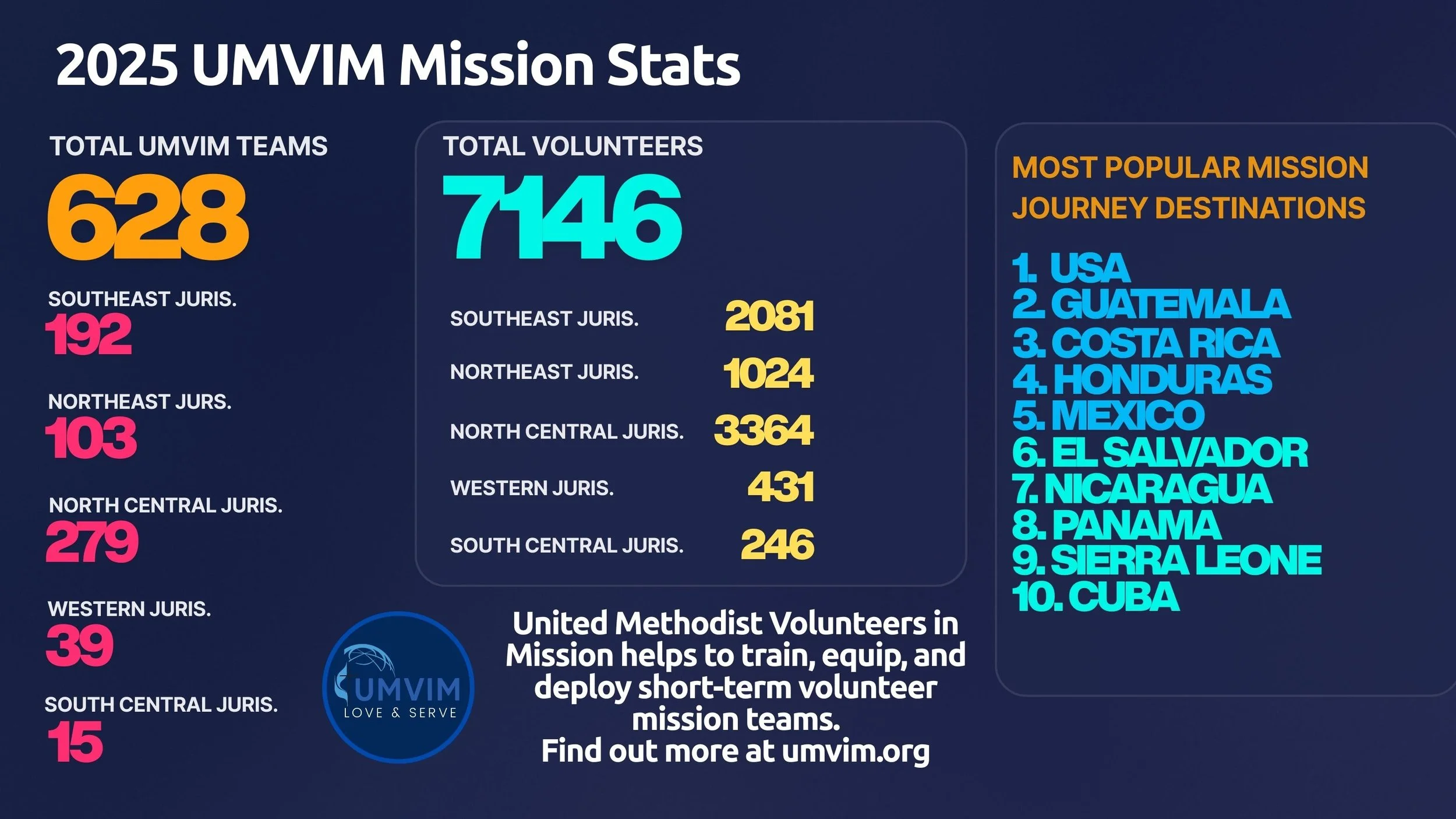
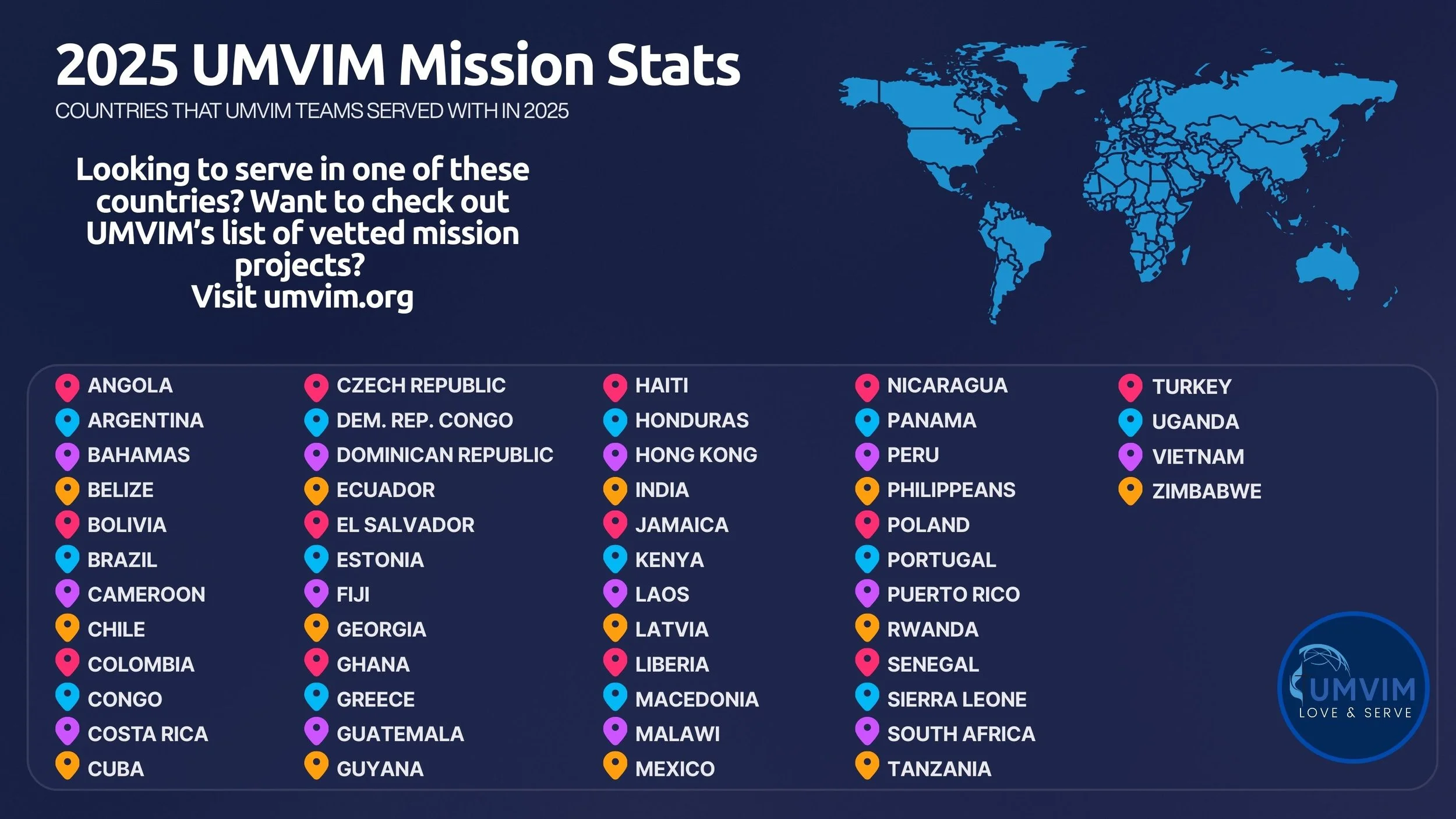
UMVIM’s impact is felt all around the world. In 2025 UMVIM teams journeyed to 5 of the 7 continents, engaged in construction, educational and cultural exchange, community-based health projects, immigration immersions, and much more.
The statistics above reflect the teams that UMVIM knows about. Many mission teams who have established partnerships on their own don’t report numbers to their Annual Conferences or UMVIM coordinator(s). Teams are not required to purchase insurance to register their teams with UMVIM in order to be included in the count.
If you would like to report numbers you feel are not reflected in the graphics, please contact your UMVIM Jurisdictional Coordinator.
New Video Series “Our Journey Together”
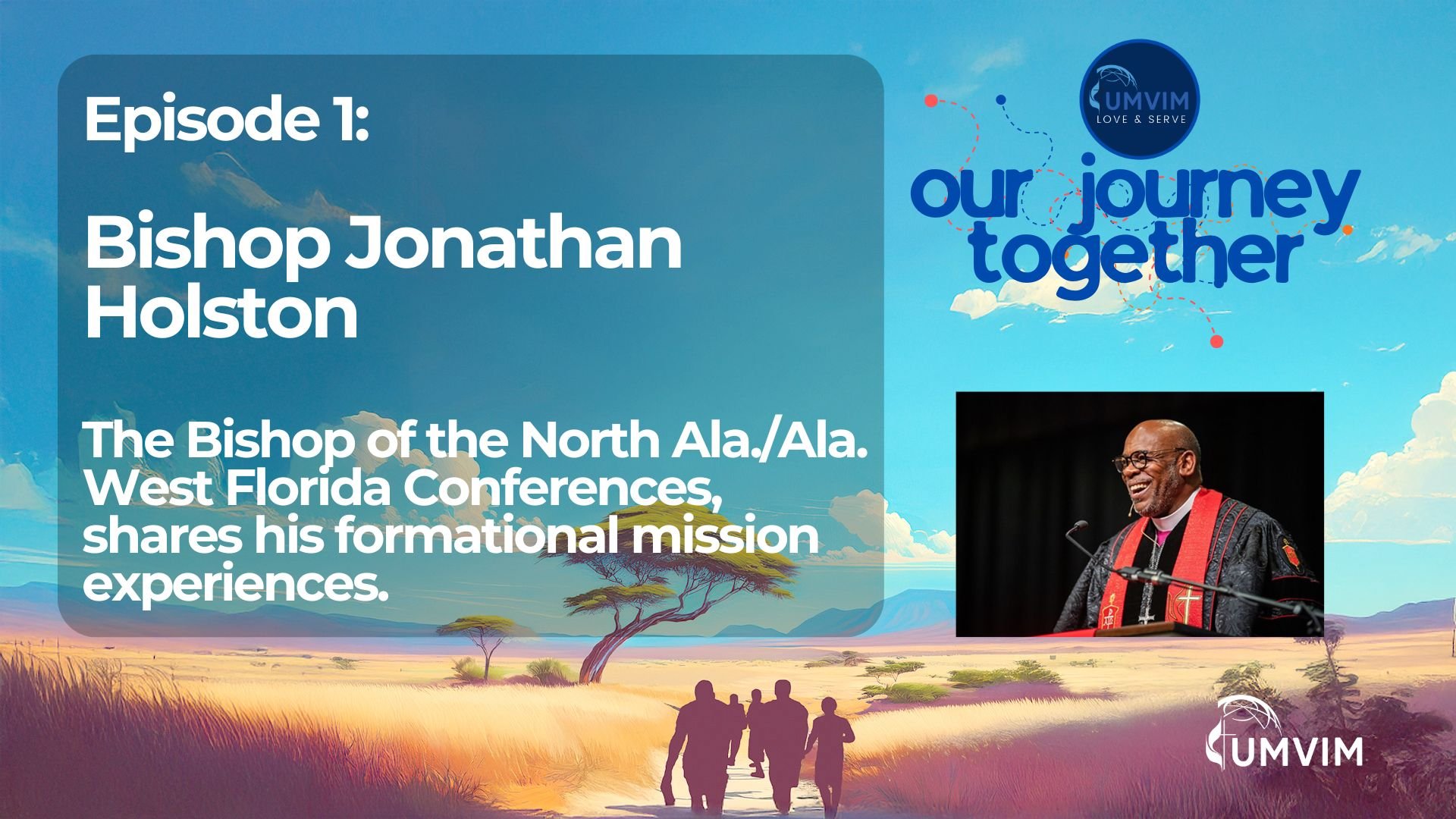
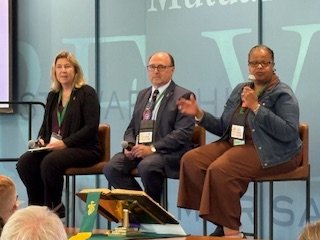
Bishop Jonathan Holston shares his formational mission journey experiences as a part of a new UMVIM video series: “Our Journey Together.”
Click here to watch on YouTube.
UMVIM is asking church leaders 4 questions:
-What was your first mission experience and why did you want to serve?
-Describe your most formative mission experience, and the lessons you learned.
-What are the strengths and weaknesses of the church's mission efforts?
-Why is United Methodist Volunteers in Mission important?
Bishop Jonathan Holston of the North Alabama Conference and the Alabama West-Florida Conference, joins us in Episode 1, along with Rev. Matt Lacey, Exec. Director of UMVIM in the Southeast Jurisdiction.
New 2026 UMVIM Trainings Posted
UMVIM has just added the following training opportunities for 2026:
-Mission and Movies: March 15th, 2pm-3:30pm. Attendees will discuss the film “The Mission” (1986) and will be encouraged to watch film before the discussion. Click here for info.
-Online Team Leader Training: 4 consecutive weekly sessions starting April 20 and ending May 11 at 6pm Central time. Click here for info.
-Online Team Leader Training: This training will take place on 4 consecutive Thursday nights: Sept 3, 10, 17, and 24th at 6pm Central time/7pm Eastern time. Click here for info.
-Online Team Leader Training: This training will take place on 3 consecutive Saturday mornings: Nov 7, 14, and 21st at 9am Central time/10am Eastern time. Click here for info.
Team Leader Visit to Manos Juntas
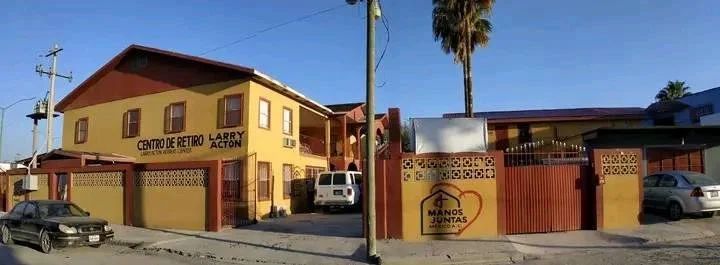
I was nervous, at first, at the idea of crossing the border from Texas to Tamaulipas, Mexico. Although I had visited Mexico before, it had been eleven years; I’d flown to my destination at the time and frankly the climate crossing the US-Mexico border has changed since then. I was nervous driving across even though a representative from UMVIM was driving me. What if the line at the checkpoint stretched on for miles? What if border security was tough on us? What if we saw them committing some kind of cruelty toward an immigrant in a neighboring vehicle? I wasn’t ready to stomach that kind of horror.
Actually crossing at the Donna International Bridge proved to be anticlimactic. We slowed down to wind lazily around concrete barriers, only one other car weaved through traffic calming obstacles ahead of us, and border security waved us through without so much as glancing at our passports. It was eerily quiet. Calm. Empty. Within moments, we were traveling swiftly past the infamous border wall, which was rusty and missing whole sections here and there. And suddenly we were bouncing over the rumble strip that announced our official entrance into Mexico.
It wasn’t long before chain links and barbed wire gave way to fields and palm trees, and those, in turn, gave way to bustling shops and tiny casitas all crammed together in a row. In Rio Bravo, pedestrians, cars, cyclists, and roaming dogs all share a dusty road with little sidewalk to be divided among them. Cavernous potholes and mountainous speed bumps make the drive slow and the placement of tires deliberate. But, as a passenger, the slow lurching crawl toward our destination gave me enough time to read street signs and store names. I started to recall whatever remnants of high school Spanish still swirled faintly in my memory.
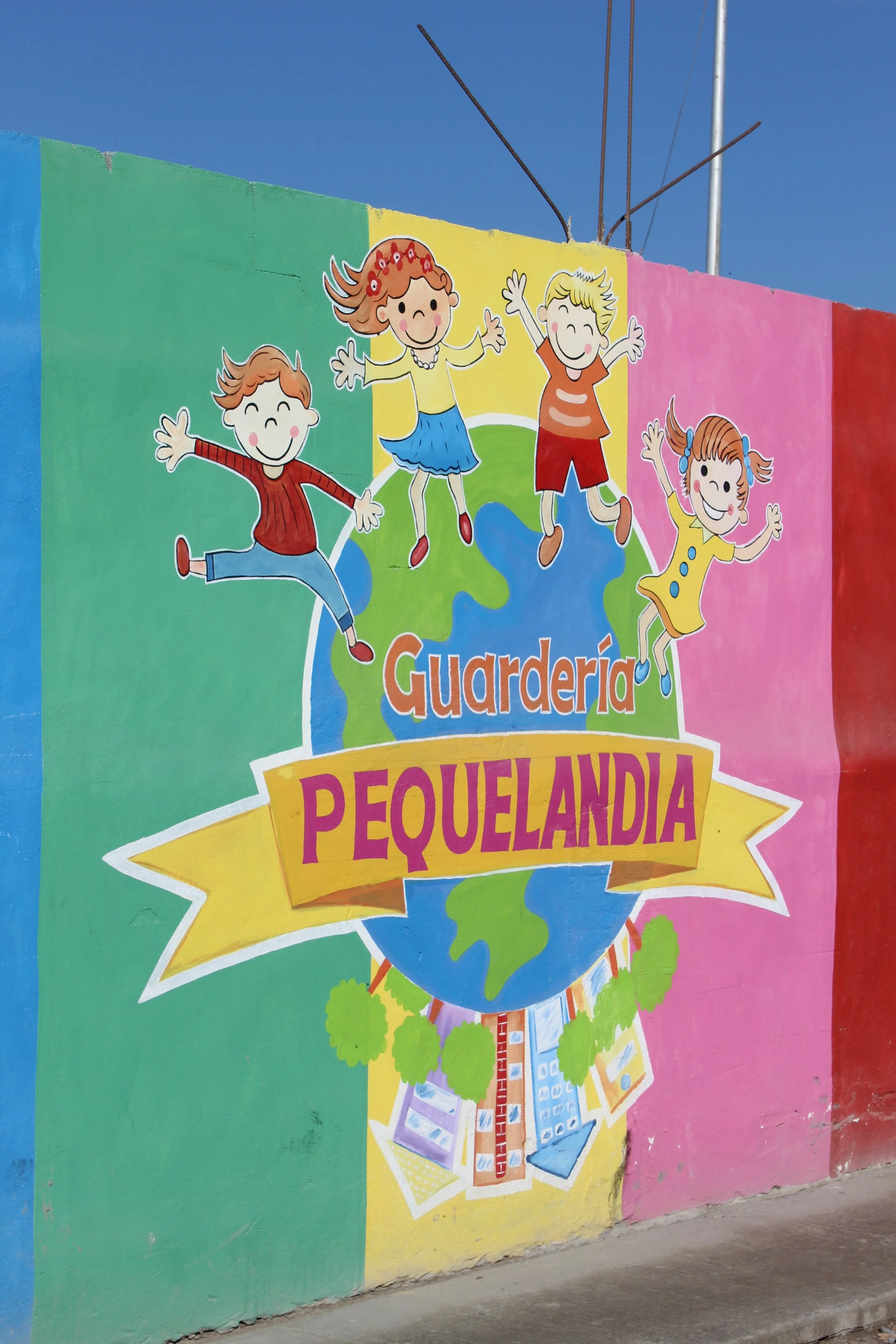
But before I had enough time to recall appropriate Spanish greetings, we had parked outside La Guarderia Pequelandia, [WBR1] [TK2] [TK3] a daycare which had been built and is now run by Manos Juntas. Manos Juntas, which translates to Hands Together, is an organization that builds casitas (small, one-room houses), schools, bathrooms, and community centers for the poorest residents of the Rio Bravo area to benefit from. With their assistance 20 children, with space for more have access to affordable daycare and many families have received free housing. [WBR4] [TK5] [TK6] Although it is now seeking to one day be self-sufficient, Manos Juntas has been hosting mission teams from the US since 1991. Teams pay for the building materials; as well as a modest fee for housing, food, and transportation; and they spend the week working on building projects that improve the community’s resources.
Here, although this daycare was up and running, it was being expanded to accommodate the growing number of families benefiting from sliding scale childcare. We rang the bell and suddenly I was stumbling through a flurry of buenos dias-es; bien, ¿y tu?-s; and me llamo-s. The Day Care staff graciously welcomed us through their doors. Already I could hear the sounds of the Minnesota mission team slamming shovels into dry dirt and scraping stucco across newly erected cinderblock walls. The scent of an almost-ready lunch wafted through the warm air accompanied by the warbles and trills of happy toddlers anticipating recess. The brightly painted courtyard was almost blinding in the sunlight, but a cool breeze and the shade of dark green palm leaves offered relief to team members on their break.
Although I hadn’t realized it yet, there was something holy at work in this place. You see, Manos Juntas—Hands Together—is about human connection. It’s not just about connecting people who are already neighbors and friends together. It’s about connecting strangers to the local community; connecting students to much needed teachers; connecting moving families to new neighbors; connecting nationals to international travelers; connecting ill patients to doctors; connecting budding artists to art studios; connecting each one of us to God, face to face, hand in hand. This place was holy ground indeed.
I got just a taste of this holy connection over lunch with the Minnesota team. We pinched taco meat, beans, potatoes, and salsa verde between fresh tortillas still steaming from the pan. And washed it all down with the most refreshing hibiscus tea I’ve ever had. Between sips of tea and bites of taco, I learned that this had been the Minnesota team’s second project with Manos Juntas. The year before, a group of them had come down to construct a couple of casitas. They had felt such a connection to the mission of Manos Juntas and the work they had done with them that they had decided to come back for another construction project, this time at the daycare. God had taken their first act of compassion and doubled it, multiplying their work and their joy like loaves and fishes.
Although I would have liked to have stayed and helped the team build, my role was much humbler: I had come to Rio Bravo not to work, but simply to come and see.
Our second stop was the retreat center. We parked the car just outside the dorm’s iron gates which were painted pueblo orange and swung wide to welcome us to our temporary home. Immediately, I was greeted by two furry friends with tails wagging excitedly for new visitors. Honey and Rusty make up the welcoming committee of Manos Juntas’ home base. The two former strays are always looking for a hand to pat them and an accommodating hand is never too far away.
After taking my time to pet the dogs, I hoisted my luggage and made my way inside the dorms. Every dorm room has two bunk beds, and each bed is made up with sheets, a blanket, and a pillow. A bathroom with a shower is attached to the far side of the room, ready for sweaty volunteers returning from a day of labor in the Mexican heat. The dorms are the perfect way to house large church groups; it was certainly a pleasant experience be on a mission journey that didn’t require me to spare precious luggage space for an air mattress and bedding.
After getting settled, I got a quick tour of the dining hall. Julian, my guide, showed me around a spotless kitchen and introduced me to their cook, Claudia. [WBR7] [TK8] Our conversation was short, as I didn’t speak much Spanish and she was already preparing a delicious-smelling dinner. I would later get to taste the object of her hard work: pork quesadillas, lentil soup, and dessert crepes. Each dish was more mouthwatering than the last. By the time dinner would be finished that night, the Minnesota team and I would sit contentedly around the large round tables that litter the dining hall, pleasantly full and swapping stories about each other’s work before they sat down for an official group debrief on some comfortably worn-in couches that sit next to the entryway.
Talking with the Minnesota team would give me insight into the hard work that goes into a day of construction work. But talking to Julian gave me an appreciation for the work that Manos Juntas is always doing not only to ensure mission journeys go smoothly but to ensure that the work teams do is truly beneficial to people who need real help in the Rio Bravo area. Julian offered me two days of his time to drive me to various locations to see the fruits of previous Manos Juntas building sites. We bounced and jolted down washed-out dirt roads to visit a school that only has bathrooms on site thanks to the generosity of Manos Juntas. We waved at schoolchildren through the bars of elementary schools that Manos Juntas had built and even got to step inside one while school was in session. The kids got to practice their English on me, and I got to practice my Spanish on them. One little girl handed me a piece of scrap paper on my way out. She had drawn a pink ajolote, an axolotl, for me. Although many of the schools are now state funded, some of them are still operated by Manos Juntas staff. Many families cannot afford all the fees and supplies that are required to attend even public schools in Mexico, so Manos Juntas offers them discounted rates, and some students even attend their afterschool remedial classes at the Susanna Wesley Center.
After touring the schools, we navigated the narrow trash-strewn streets of Vamos, Tamaulipas where squatters build houses nearly on top of one another with gates and one-room houses that are often made out of hastily nailed plywood and rusting sheets of metal. The lucky families seemed to have just enough money to erect a shelter out of cinderblocks. Several such houses had been donated through the care and attentiveness of Manos Juntas. Countless mission teams have volunteered their time and money building these casitas. And I was able to spy one just barely peeking out past an adjacent house. Its simple design, white stucco walls, and pink trim helped it stick out from the other houses.
I didn’t see the family living there, but I know if I had, I would have seen God’s eyes peering back at me. Matthew 25:31–46 reminds us that when we meet the needs of poor, sick, and lonely people, the “least of these” as Jesus calls them, that we are actually, literally, meeting the needs of Jesus himself. Although I didn’t get to help build this casita, I know this family has a safe home to live in only because of the kindness of strangers. Manos Juntas’ ties to UMVIM and their full-time presence in the community allows it to connect unlikely people together for the betterment of both: One family receives the basic shelter they need to survive, and one mission team leans in close to see the face of God.
I was reluctant to leave Vamos behind. The palpable poverty in the makeshift town made me feel like it was the most important place to be: one of the most important places I’ve ever visited. It was holy, the place where God lived among the people. But God had been is living in other places too. Places where Manos Juntas had built community centers. These were multipurpose buildings where church services, birthday parties, quinceañeras, dance classes, cultural events, and town meetings can be held for a reasonable fee. One such center even offered a pool in the back. They are the perfect places to hold space for people to connect to each other and build positive community ties.
Julian explained that the community centers are there not only to help people build relationships with other members of the community, but they also save lives. One of the biggest issues facing the children of Mexico is the cartels. The cartels will give an impoverished kid a smartphone. They never would have been able to afford one on their own, so the phone is a luxury beyond belief; one that sets them apart from their peers. They give these phones to the kids and then tell them to keep watch and call them with it if they see the police or a rival gang coming. For the kids, it’s an easy way to gain status and to make some money for their struggling families. For the cartel, it’s an easy way to recruit children. Once these kids are in, they are groomed to participate in worse and worse activities, Julian explained. On average, these kids are killed while participating in cartel activities at age twenty-one.
It’s a grim reality for many children who live in poverty just across the border. But there is a way to combat the cartel. The community centers Manos Juntas builds are their way of suffocating the hold cartels have on children. If kids are busy at school during the day, if they are busy doing homework and taking classes at a community center at night, and if their bellies are always full from a meal at school, then they don’t have time or interest in running errands for the cartels. They have something better to do. Manos Juntas is designed to do just that.
With all the talk about cartels, Julian took a moment to emphasize that the presence of cartels in Mexico doesn’t make visiting dangerous. He emphasized that it is completely safe to visit Rio Bravo and other Mexican cities with Manos Juntas. “It would be like never visiting Chicago because you’re afraid of the gangs,” he said. The cartel isn’t interested in hurting random Americans; they’re only interested in their rivals, and even cartel members see the benefit of missionaries building homes for families and schools for kids. Most cartel members are only part of the cartel because they don’t have another option and they want something better for their own kids and neighbors. They’re happy to see missionaries working on projects that better their cities. Additionally, Manos Juntas has been hosting teams since 1991 and has never had a violent incident during that time.
My time at Manos Juntas was brief but deeply moving. It reminded me that I have so much to offer in my own community in Bloomington, Illinois, because inviting others to our churches, our sports games, our cooking classes, and even to our homes home is a life-saving act. We may not be trying to combat cartels in the states, but addiction, depression, anxiety, loneliness, and random acts of violence often run unchecked in our country. The opportunity to connect to people, to invite them to a real, in-person activity, can be the difference between life and death for us too. I hope to bring the spirit of Manos Juntas back with me so my church can bring people together. Not only that, but I plan to bring my own team to Manos Juntas to build casitas in 2027. I hope my team internalizes impact positive community can have on a city and that our own city will benefit from our experience in Rio Bravo, Mexico.
If you want to participate in a mission journey to Manos Juntas, contact an UMVIM staff member in your jurisdiction. Or, if this story has inspired you to give financially to Manos Juntas’ mission, please visit their page on the Global Missions website.
Bethany Barnett
January 2026
Bethany Barnett is a member of Wesley Bloomington United Methodist Church in Bloomington, Illinois and a co-chair of their mission committee. She has felt called to mission work her whole life and seeks to live out that call locally and internationally whenever she has the opportunity.
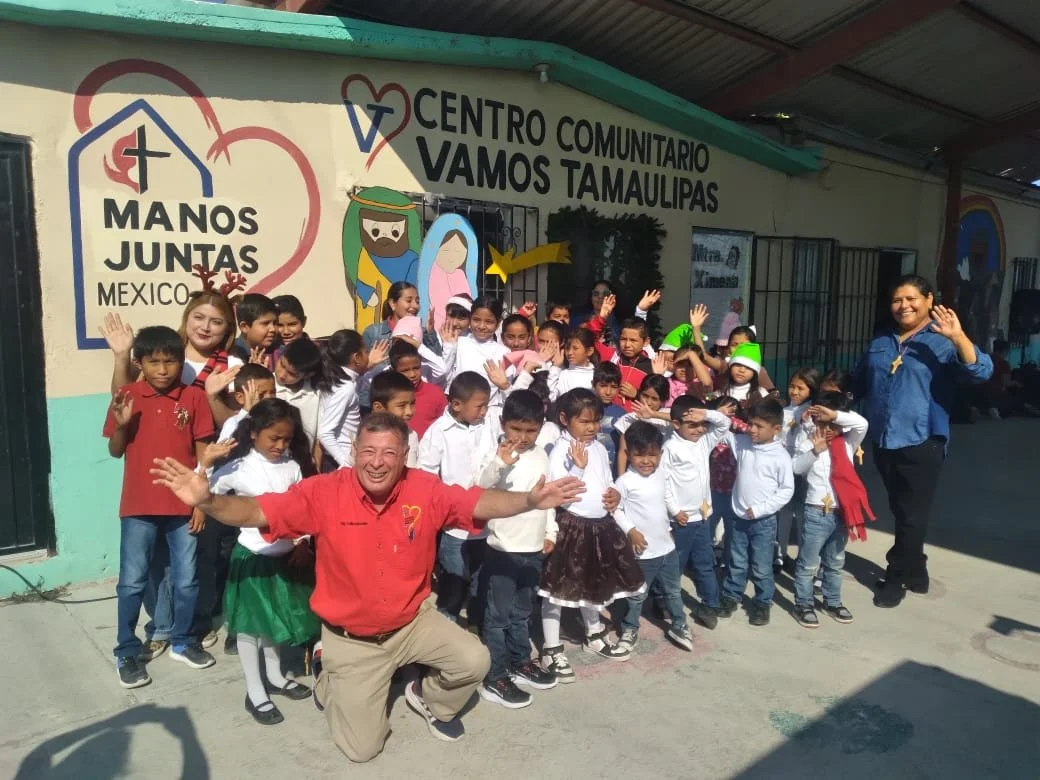
Telling the story: Discover…Mission: Peru
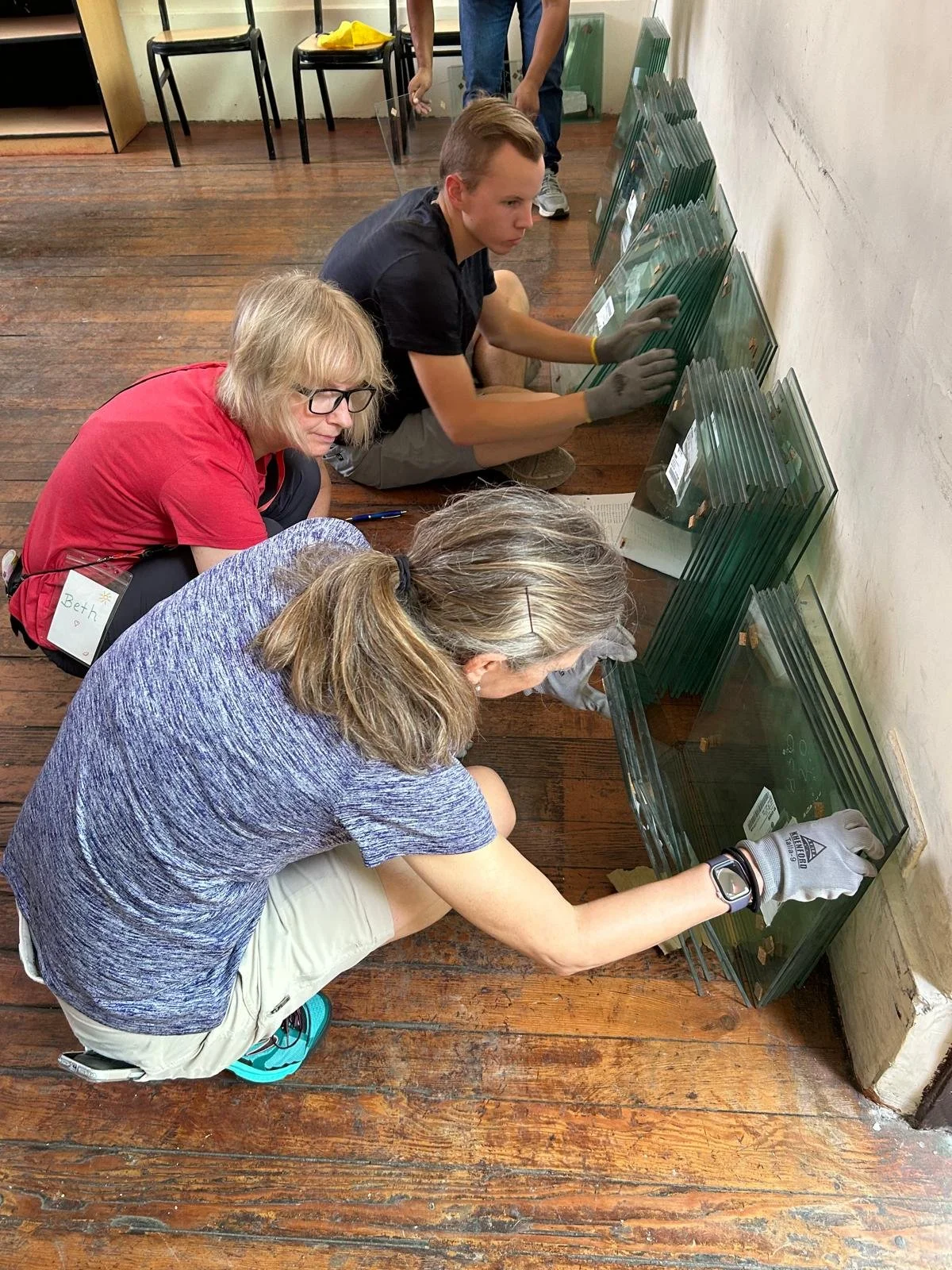
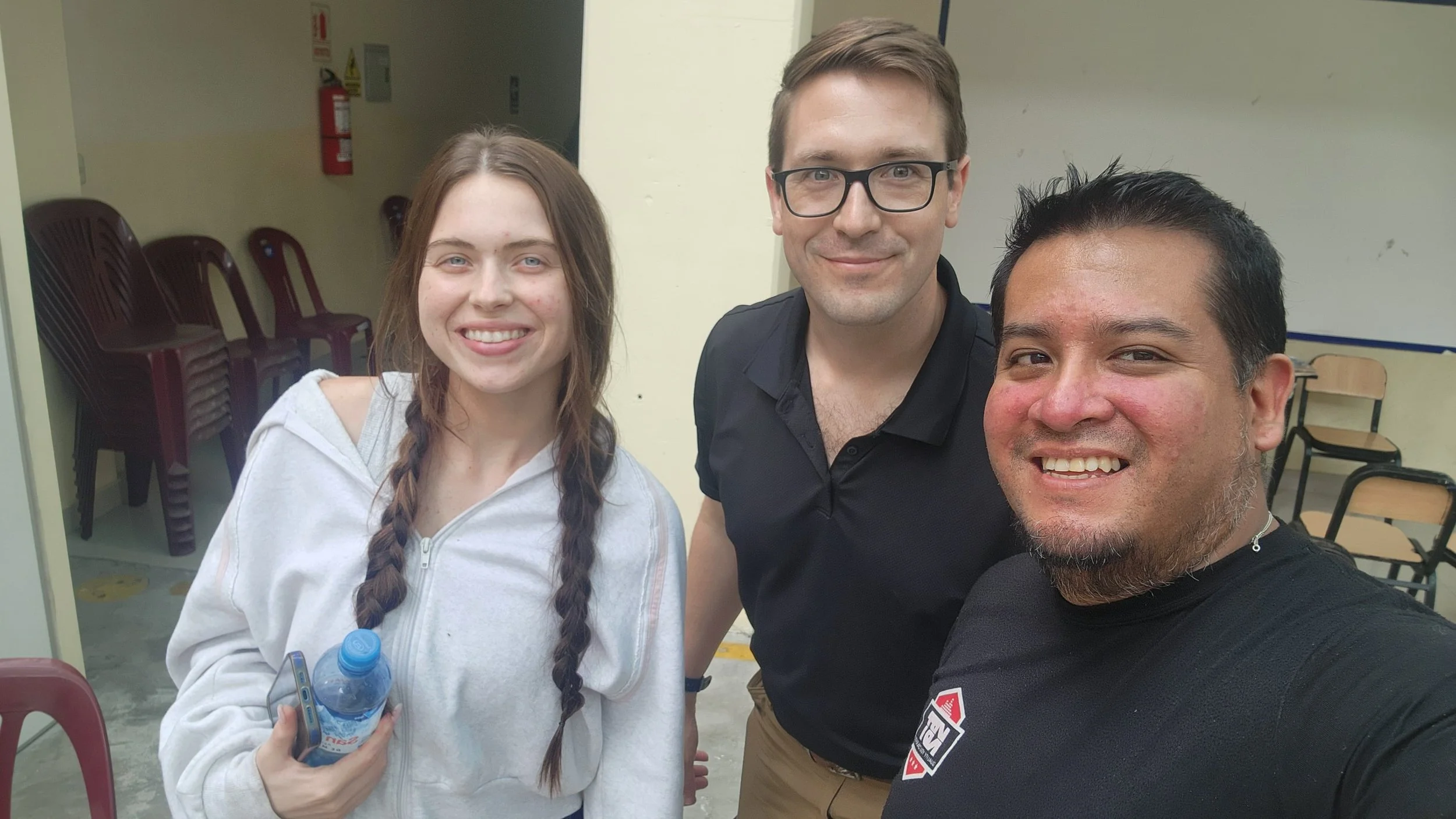
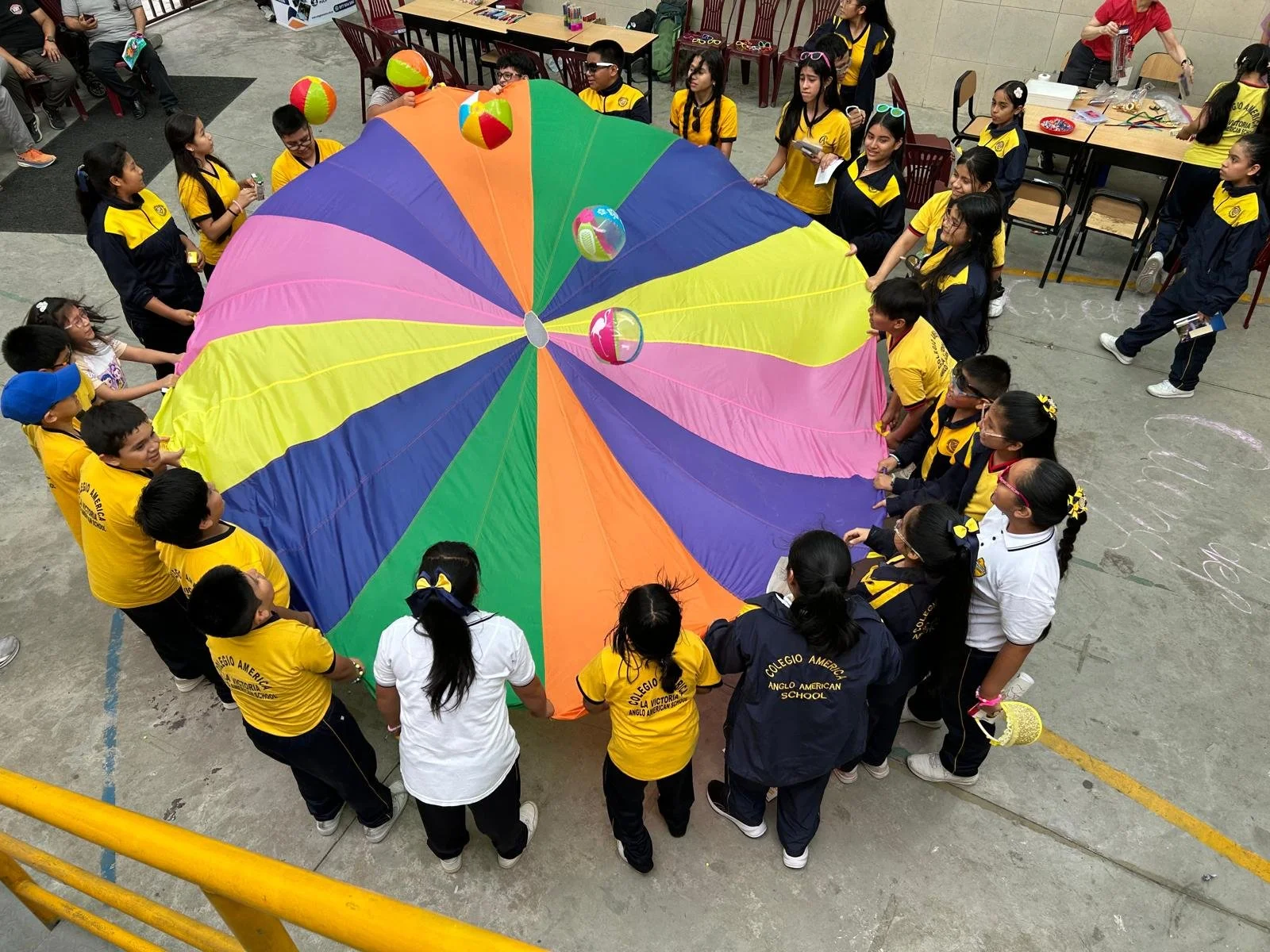
My UMVIM Discover trip to Perú from December 29th, 2025, to January 9th, 2026, was my first international mission trip, and I can say without a doubt that it changed my life. Led by Jody Pratt, this journey included a medical clinic, multiple construction projects, and two days of Escuela Bíblica de Vacaciones (Vacation Bible School). As a pre-medical student, I particularly enjoyed the clinical day because I learned extensively about the differences in health care between the United States and Perú, even in things as simple as handwashing, influenza vaccines, vitamins, and parasite medications. It was also a ton of fun to get my hands dirty on construction projects, where we installed 131 new windows at Colegio América La Victoria. At the Iglesia Metodista de Lomas de Carabayllo, we removed a couple of walls, replaced a sink and plumbing, refreshed the paint, and provided resources for electrical work. As good as it felt to provide these services, the best part of the trip was hands down the relationships I built, both with the Peruvians and with the American team.
The team consisted of twelve Americans. Four of whom, including myself, were associated with Reinhardt University in Waleska, Georgia: 3 students and our campus chaplain. The rest of the team was from the Midwest, including “The Minnesota 5,” one from Illinois, one from Wisconsin, and one from Michigan, which is the state I call home when I am not in school. That was the most comical part of this entire endeavor: the director, Jody, lives 30 minutes from where I grew up and only 2.5 hours from my current home in Milan, MI. I loved growing closer to the people who I knew already knew from Reinhardt, but even better was getting to know the others who have now become dear friends. Any time you bring a large group of people together to work for a single cause, you have no idea how the camaraderie will be, but on this trip, it was fantastic from the get-go. We had a great mix of laughter, intentionality, and such a wide range of personalities that allowed for an abundance of memories. This was what I was looking forward to most before the trip. I knew that most of the team had extensive international mission experience, and as someone trying to get more involved in these missions, I am so grateful to have learned the intricacies of this work from such a great group of people.
As great as the Americans were, the Peruvians were arguably even better. Rudy, our permanent translator, shared a room with me for the duration of the trip, and it was incredible to build a relationship with him so quickly and seamlessly. We instantly hit it off and had so much fun celebrating the new year, shopping, playing fútbol, or using our new “Spanglish,” courtesy of another team member, Vinny. Instead of the typical “ando” or “iendo” ending for Spanish verbs, we just replaced it with the English “ing,” creating words like “nadading,” “lluvanding,” and many others. Everyone I met, whether it was Rvda. Tania Barrios Olivera, our numerous drivers, who were incredible, or the countless other people I now call mis amigos, were exceptionally kind, receptive, and committed to doing the work of Christ. Speaking of our Lord, I understand that God is omnipresent, but I have never felt this presence like I did on this trip. With so many examples of “God moments,” I have selected, quite difficulty, one to share with you.
This moment came on our trip to Paracas, and the boat ride to the Islas Ballestas. Our boat guide asked the group if any of us spoke Spanish, and because of the noise of the motor, I was the only one who heard her, so I responded that Rudy, Josephina, Hanna, and I spoke Spanish, but for the most part, English was the preferred method of communication for the team. This guide first explained what the tour would consist of, then, for the majority of the trip, sat with Kay Roberts, one of the aforementioned Minnesota 5, and me. This interaction was one of the clearest signs of God’s presence on the trip. She has two children and wants to visit the States with them, and part of that involves practicing her English, which was quite good to begin with. This worked out great, she got to practice her English, and I my Spanish as we shared about ourselves, asked questions, and formed a connection that I never would have imagined possible.
There was one statement she made that stood out to Kay and me, and it was that our group was different from the rest of the Americans she had interacted with on these boat tours. She said these tourists were very stoic, rarely smiled, and seemed unhappy and unloving. This was both a disheartening and encouraging statement for us. It was depressing to hear that the majority of our American counterparts were a melancholy people. At the same time, it made us happy to know that our love and joy were radiant and impactful in the lives of the people we interacted with. Just as Jesus commands us in John 13, “[to] love one another; just as I have loved you, you also are to love one another. By this all people will know that you are my disciples, if you have love forone another” (John 13: 34-34 CSB). For the team on this trip, we showed this love through something as simple as a smile and politeness in everything we did with and for the people of Perú. To anyone interested in international missions or mission work in general, I urge you to take a step in faith and DO IT! I do not know exactly how God will show up for you in your journey, but I can promise that He will, and it will be in a big way. There is nothing on this earth that will stand in the way of His mission, and there is nothing that should stand in your way of assisting in that effort. Whether it be finances, time availability, or safety concerns, there are people and organizations who want to make mission work possible for you in whatever capacity you want to be involved in. So don’t wait, get started as soon as you can, and if you are anything like me, the joy of the experience will be contagious and lead to a desire to do morework for God’s kingdom on earth.¡Dios te Bendiga!
UMVIM-NCJ News 1 31 26
https://mailchi.mp/umvim/theres-a-new-look-to-umvimncj-news-8-31-18242048?e=2865e3c70f
NCJJ News Happy new year!

https://mailchi.mp/umvim/theres-a-new-look-to-umvimncj-news-8-31-18241352?e=2865e3c70f
2026 UMVIM, SEJ Trainings
UMVIM is pleased to announce the following trainings have been scheduled for the upcoming new year. Please be sure to register or contact the training leader with any additional questions.
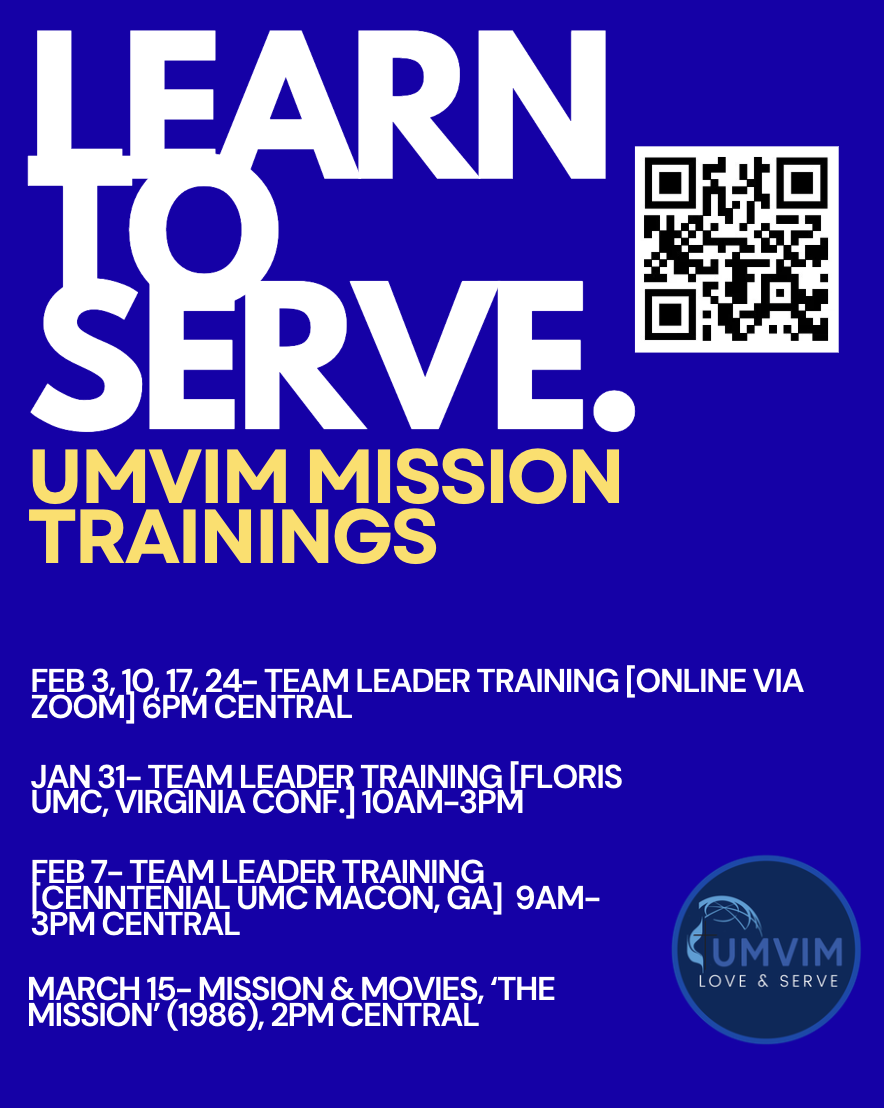
Team Leader Training- Feb 3, 10, 17, 24, 2026, 6:00-7:30pm Central time
This four-week online [via Zoom] training is geared towards anyone who would like to lead volunteer teams on mission journeys and/or anyone who needs a refresher training. Participants must be present each week for 90 minutes. Click here to register.
Team Leader Training, Virginia Conference [Floris UMC] Jan 31 from 10am-3pm Eastern time
In person training for those in and around the Virginia Conference! Learn to be a mission team leader and UMVIM best practices, in addition to some great discussion about mission. We do this so that we can be God's agents of transformation in our community and around the world! Contact: Tim Wells, cyacard@comcast.net for details and registration.
Team Leader Training, Macon, GA, Centenary UMC, Feb 7th 9am-3pm Eastern time
In person training at Centenary UMC in Macon, GA. Click here for more info and registration.
Movies & Mission Workshop, “The Mission” [1986], March 15, 2pm Central time
Join UMVIM, SEJ for a discussion of the 1986 film “The Mission” to highlight the many themes surrounding mission and theology. Click here for info.
UMVIM is a non-profit under the umbrella United Methodist Church. Some trainings may have a cost associated with food, lodging, and materials. For some, an optional donation is requested but not required.
If you need the new UMVIM Team Leader Handbook, you can purchase an electronic or hard copy here to make sure you receive the materials in time. As always, if you have financial considerations that prevent you from attending a training or purchasing a handbook, please contact your UMVIM Jurisdictional Coordinator.
UMVIM, SEJ’s Giving Tuesday Update
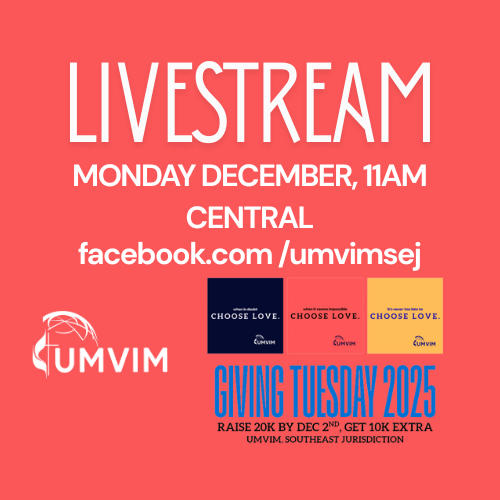
Dec 2 UPDATE: We made it! Thank you to everyone!!!!
Click here to give and see how much progress we’ve made.
UMVIM, SEJ is in the middle of it’s Giving Tuesday campaign, which is hoping to raise $20,000 by Dec 2nd, also known as Giving Tuesday. If the goal is met, $10,000 will be added by generous donors.
Give at umvim.org/tuesday today and share!
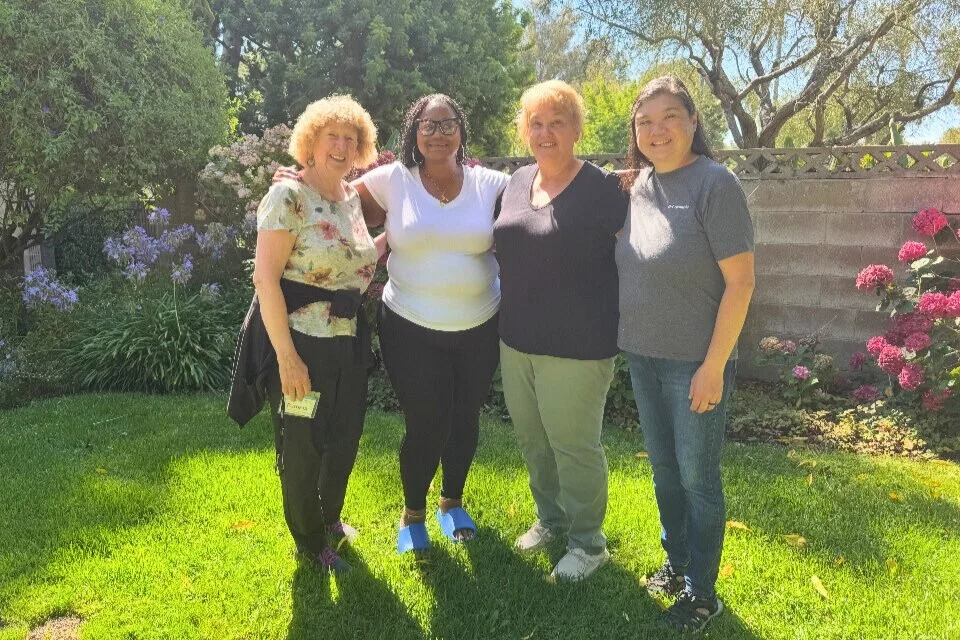
Giving Tuesday at UMVIM 2025
🌟Giving Tuesday 🌟
As we enter the season of giving, there’s no better time to get involved in a cause that brings real change to communities around the world. This Giving Tuesday, December 2, you have the opportunity to support United Methodist Volunteers in Mission – North Central Jurisdiction (UMVIM-NCJ) through their transformational work.
This year, UMVIM-NCJ has set a Giving Tuesday goal of $5,000 to help expand mission opportunities and strengthen communities locally and globally. Every contribution—big or small—brings us closer to that goal and helps transform lives in God's mission.
At United Methodist Volunteers In Mission- NCJ, we know that change starts with people like you. Whether you are a trained team leader, team member, individual serving with the local church, or prayer partner, you are a critical part of God's mission in the world! Together, we provide opportunities for individuals and teams to serve safely and effectively.
How you can help power our mission:
Donate: Every dollar counts. Contribute now to help us reach our goal.
Share: Share our campaign with your friends, family, and on social media. Your advocacy can amplify our impact.
Volunteer: Find ways to serve as a team member or individual at umvim.org.
Thank you for being part of Giving Tuesday 2025. Your support is a gift that allows UMVIM to:
Live Boldly. Serve Joyful. And Lead Courageously.
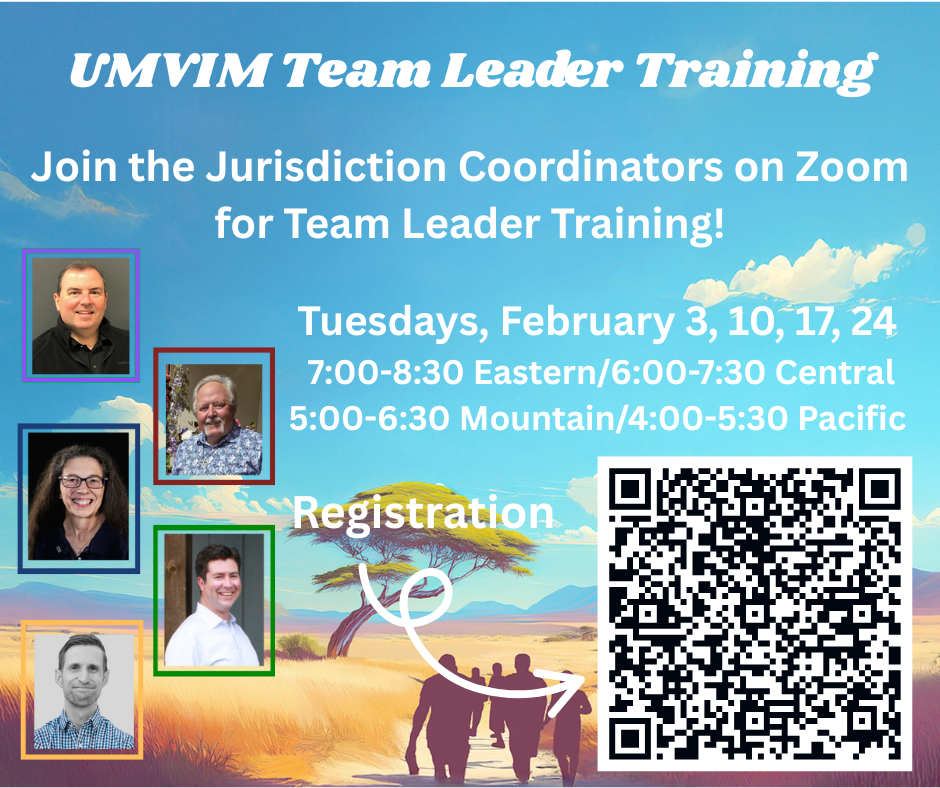
UMVIM, SEJ Starts Giving Tuesday Campaign
Note: this is a funding campaign by UMVIM in the Southeast Jurisdiction

Click here to give.
Choosing love is hard, especially when conflict is all around us. Jesus chose love even when the forces of the world turned against him. Choosing love was hard, even for Christ, as we see in the Garden of Gethsemane when Jesus cries out to God in a moment of distress.
Conflict sells – more so than ever before – in today’s world. But what would happen if we stopped, even in moments of doubt, and decided to show a small glimpse of Christ’s love? We are called into mission because it offers us opportunities to understand how wide God’s embrace truly is.
During this year’s Giving Tuesday campaign, UMVIM, SEJ is asking you to help us raise $20,000 by December 2, 2025 so we can receive an additional $10,000 from a group of generous donors. If we don’t hit our goal, regardless of how close, no matching funds will be awarded.
Why should you give? In addition to supporting UMVIM mission resources, UMVIM has made a commitment to train 100 new mission leaders by the end of 2026. Your gift will help us train, equip, and propel a new generation of mission leaders around the world.
Your support for UMVIM in the Southeast Jurisdiction means so much to all of us. You can give online at umvim.org/tuesday or scan the QR code below.
You can also send a check to: UMVIM, SEJ, PO Box 276, Birmingham, AL 35201 using the enclosed and pre-stamped envelope.
Let’s show the world how big God’s embrace is and what happens when we choose love.
-matt